Saudi Vision 2030 & UAE Net Zero 2050: A B2B Guide to Sustainable Building Materials in Middle East Infrastructure

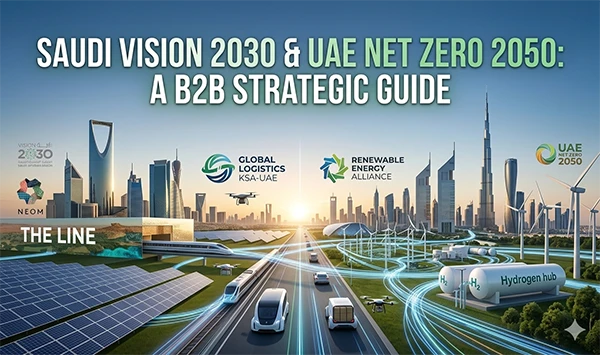
The Middle East is undergoing a major architectural transformation. Driven by Saudi Arabia’s Vision 2030 and the UAE’s Net Zero 2050 strategic initiative, the regional construction sector is shifting from high-carbon methods toward strict, long-term sustainability. Today, building envelopes must deliver maximum structural longevity and minimal environmental impact. Achieving LEED certification for landmark high-rises or sprawling infrastructure requires evaluating every component in the chemical supply chain—moving past traditional sealants toward advanced, low-emission materials.
Technical Hurdles in Middle East Green Infrastructure Solutions
In modern green infrastructure solutions, conventional polyurethane and traditional silicone sealants face technical hurdles. Many legacy formulations rely on solvents or reactive plasticizers that continually release volatile organic compounds (VOCs). Under the intense heat and high UV index of the Middle East, this outgassing accelerates, leading to matrix degradation, loss of elasticity, and joint failure. For engineering firms aiming for global green credentials, choosing a chemical auxiliary that fails modern outgassing criteria can jeopardize a project’s LEED scoring within environmental quality metrics.
Engineering the Future: The Chemistry of Low-Modulus MS Polymers
To bridge the gap between heavy mechanical load-bearing requirements and eco-compliance, regional specifications are turning to advanced silane-modified polyethers. This chemistry replaces highly reactive, toxic isocyanate groups with stable silane termination, allowing the polymer to cure via ambient moisture without releasing hazardous secondary gasses.
The resulting matrix functions as a true Zero VOC joint sealer. Formulated without hazardous solvents or phthalate plasticizers, this material profile achieves a French A+ certified sealant classification—the highest international grading for atmospheric and indoor air quality safety.

| Key Technical Metric | Performance Profile | Engineering & Sustainability Impact |
| VOC Profile | Zero VOC & Isocyanate-Free | Eliminates hazardous outgassing; fulfills LEED EQ Credits for Low-Emitting Materials. |
| Elasticity Profile | True Low Modulus | High stress absorption capacity; prevents adhesive failure on low-tensile structural substrates. |
| Adhesion Mechanism | Primerless Interfacial Bonding | Eliminates the need for chemical primers, reducing chemical material consumption and on-site labor steps. |
Balancing Mechanical Performance with Sustainability Long-Term Goals
For long-term infrastructure, environmental compliance must complement high mechanical durability. To survive the MENA region’s intense diurnal thermal cycles and seismic shifts, elastomeric joint sealants must exhibit a high ±50% movement capacity in accordance with ASTM C920 Class 50 and national standards like GB/T 14683-2017.
A low-modulus formulation ensures that as joints expand and contract, the internal stress generated at the bond line remains minimal. This stress-absorption capability prevents cohesive tearing within the sealant and adhesive failure along the substrate interface, even when sealing mismatched materials such as aluminum, glass, and concrete. Furthermore, because the polymer matrix is completely free of unreacted silicone oils, it eliminates fluid migration, preventing the structural staining and dust accumulation that frequently mars modern facades.
For procurement managers vetting sustainable building materials Middle East, specifying a low-modulus, French A+ certified polymer ensures long-term joint integrity while seamlessly unlocking global green building credits.
FAQ: High-Performance Eco-Sealants
Q1: How does a Zero VOC joint sealer contribute to LEED certification?
A: Advanced silane-modified polymers fulfill the strict emission thresholds of the LEED Indoor Environmental Quality (EQ) credit for low-emitting materials, directly assisting structural projects in accumulating points toward Silver, Gold, or Platinum ratings.
Q2: Can an eco-certified sealant maintain mechanical stability under extreme Middle Eastern field temperatures?
A: Yes. High-grade MS polymers are engineered to maintain a stable service temperature range from -40°C to +90°C. Unlike polyurethanes, which can thermal-degrade and crack under prolonged UV exposure, silane-modified polyethers retain their low-modulus elasticity and do not experience secondary outgassing.
Q3: Why is fluid migration a critical factor when choosing sustainable building materials Middle East?
A: Conventional sealants release silicone oils or plasticizers that migrate into porous substrates like natural stone or aluminum panels, causing permanent staining and attracting desert dust. Advanced MS polymers eliminate fluid migration, reducing long-term building maintenance costs and preserving facade aesthetics.
Q4: What makes a French A+ certified sealant relevant for external curtain wall expansion joints?
A: While French A+ primarily certifies indoor air safety, the certification indicates a completely stable, non-degrading chemical matrix. For external joints exposed to high solar radiation, this level of chemical purity guarantees that the material will not undergo thermal reversion or outgas hazardous sub-products over decades of exposure.
GreenBuilding #SustainableArchitecture #MSPolymer #FacadeEngineering #LEED #MiddleEastConstruction
Discover more from INGADA The Ultimate Bonding Expert
Subscribe to get the latest posts sent to your email.