High-Performance MS Polymer for Modular Construction: INGADA Seals CSCEC ME’s UAE Milestones

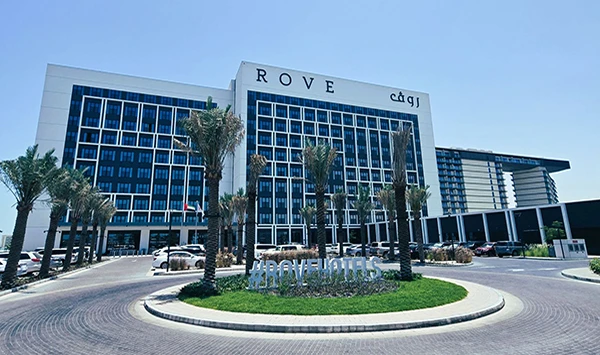
RAS AL KHAIMAH, UAE — CSCEC Middle East (CSCEC ME) recently announced the successful delivery of two major fast-track modular construction milestones in the Northern Emirates: the 441-key Rove Al Marjan Island Beach Resort and the sprawling 2,022-room HEA Staff Accommodation complex. Engineered utilizing advanced BIM lifecycles, prefabricated bathroom pods, and modular MEP frameworks, both high-spec hospitality developments compressed critical paths while achieving unprecedented field efficiency. Crucial to securing the long-term engineering integrity of these off-site industrialized assemblies was INGADA’s high-performance MS polymer for modular construction, providing unmatched climate resilience and risk mitigation for international EPC general contractors.
The Engineering Challenge: Extreme Middle East Microclimates
Al Marjan Island presents brutal environmental liabilities for modern envelope design. The coastal geography exposes structures to peak summer ambient temperatures exceeding 50°C (122°F), an extreme UV index peaking at 11+, and high-salinity marine winds. To maximize velocity, thousands of factory-manufactured precast restroom pods were crane-lifted directly into the structural concrete frameworks. This massive shift toward off-site prefabrication concentrated significant mechanical and thermal liabilities onto the structural connection joints.
Traditional silicone sealants frequently fail under these intense conditions due to plasticizer fluid migration, which irreversibly bleeds into and stains premium composite panels and porous natural stone facades. Over time, this fluid migration attracts abrasive desert micro-dust, causing dark edge haloing. For multi-thousand-key commercial hospitality assets, joint compromise leads to prohibitive warranty claims, interior water ingress, and astronomical remediation labor costs.

The Solution: INGADA Non-Staining Sealant for Precast Concrete
During the stringent Material Submittal phase, CSCEC ME’s technical division along with lead international consultants (such as WSP and AECOM) subjected all auxiliary materials to rigorous accelerated weathering, peel-adhesion, and shear testing. INGADA secured immediate engineer sign-off by deploying a customized weathering-resistant joint sealant for the Middle East, specifically formulated for high-exposure building envelopes.
The INGADA modified silane technology delivered two critical B2B engineering benchmarks that traditional polyurethane and silicone could not match:
- Zero Fluid Migration: Unlike standard architectural silicones, INGADA’s advanced formulation features chemically bound plasticizing chains rather than unreacted silicone oils. When applied as a non-staining sealant for precast concrete, zero oil migrates to the surface, completely eliminating dirt pick-up and preserving architectural aesthetics.
- Dynamic Elongation and Recovery: Precast segments experience heavy linear expansion and contraction.due to sharp diurnal temperature deltas. Meeting ASTM C920 Class 50 compliance, INGADA sealants offer exceptional dynamic movement accommodation (±50%). They act as a high-modulus, resilient elastomeric cushion that prevents cohesive unzipping under high wind loads while providing primerless adhesion to anodized aluminum and precast substrates.

Sustainable Synergy: Low-VOC Compliance for Green Procurement
Modern Middle East infrastructure increasingly mandates verifiable compliance with global and regional green building frameworks, including local municipal codes and LEED ratings. Formulated without harmful solvents, phthalates, or free isocyanates, INGADA’s low-VOC MS polymer sealant for LEED requirements exhibits volatile organic compound emission rates far below international thresholds (SCAQMD Rule 1168). This certified safety profile actively secured green procurement credits for CSCEC ME while ensuring safe indoor air quality (IAQ) during the high-speed sealing of enclosed prefabricated pod interiors.
Conclusion
The seamless delivery of these UAE hospitality complexes demonstrates the power of matching elite EPC total contracting with INGADA’s industrialized joint solutions. By transitioning from simple commodities to high-tier engineered application solutions, INGADA remains dedicated to sealing hyper-scale infrastructure, new city masterplans, and green energy transitions across the GCC with unyielding engineering integrity.
Technical FAQs:
Q1: Why is high-performance MS polymer specified over traditional silicone or polyurethane sealants for prefabricated pod joints in harsh desert environments?
A: Traditional polyurethane (PU) sealants degrade rapidly under intense Middle East UV radiation, leading to embrittlement and premature cracking. On the other hand, while standard architectural silicones offer UV resistance, they utilize unreacted silicone oils as plasticizers. Under 50°C (122°F) heat, these oils bleed out, causing severe fluid migration that permanently stains porous stones and composite panels.
INGADA’s high-performance MS polymer for modular construction bridges this gap. It combines the superior UV-stability of silicones with the mechanical toughness of polyurethanes. Because its formulation features chemically bound polymer chains, it functions as a definitive non-staining sealant for precast concrete, keeping luxury building envelopes clean, dust-free, and structurally sound.
Q2: How does INGADA MS polymer sealant achieve ASTM C920 Class 50 compliance to handle extreme thermal expansion in modular assemblies?
A: Prefabricated modular pods and large-scale precast concrete segments experience intense joint movement due to the drastic diurnal temperature deltas of the Gulf region. To prevent adhesive or cohesive failure, sealants must possess exceptional elastomeric recovery.
INGADA modified silane sealants are engineered to meet strict ASTM C920 Class 50 specifications, meaning they can withstand a ±50% dynamic movement capability in continuous tension-compression cycles. The high-modulus cross-linking network ensures that even when precast joints undergo severe linear thermal expansion, the sealant stretches and compresses without unzipping, maintaining a primerless, airtight, and waterproof bond on both anodized aluminum and concrete substrates.
Q3: How does INGADA support green procurement and international green building certifications like LEED for global EPC contractors?
A: Modern hyper-scale infrastructure projects across the GCC increasingly mandate strict indoor air quality (IAQ) and low environmental impact profiles. INGADA is heavily committed to sustainable chemistry.
Our low-VOC MS polymer sealant for LEED certification is formulated without solvents, phthalates, or free isocyanates. It complies fully with SCAQMD Rule 1168, keeping volatile organic compound emissions well below international compliance caps. This eco-friendly profile allows international EPC general contractors to secure critical credits under LEED v4.1 and regional green building frameworks, while guaranteeing a non-toxic working environment for field installation teams working within enclosed prefabricated modules.
INGADA #ModularConstruction #PrefabricatedPods #PrecastConcrete #ConstructionSealant #UAEOffshore #BuildingTheFuture
Discover more from INGADA The Ultimate Bonding Expert
Subscribe to get the latest posts sent to your email.