A Flooring and Interior Bonding Procurement Guide for Commercial Projects

How to Procure Adhesives for Flooring and Interior Construction
Flooring and interior construction projects may involve several materials and installation systems, from wood flooring to resilient flooring, decorative panels and interior trim. Choosing a suitable adhesive requires more than matching a product name to a material.
Procurement teams need to understand the complete installation system, substrate conditions, service environment, required performance and supporting technical evidence.
This guide explains how to structure a purchasing decision for flooring adhesives and interior bonding products.
1. Define the Installation System
Begin by identifying what is being installed and how it will be fixed.
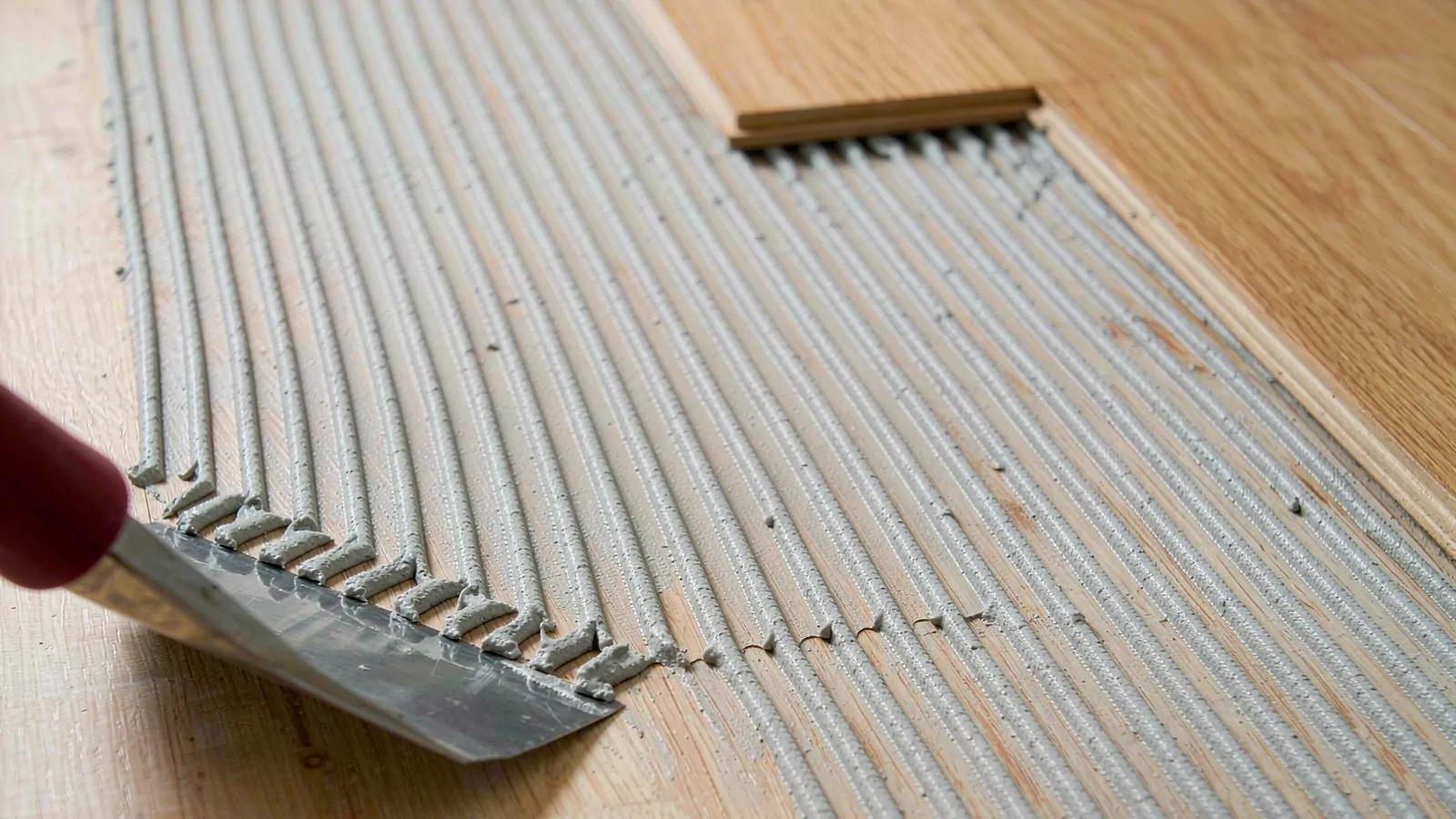
For flooring, distinguish between wood flooring, resilient flooring and other systems such as SPC or PVC products. The installation method, backing construction and manufacturer’s instructions may differ.
For interior components, identify whether the product is intended to bond panels, attach trim, secure decorative elements or seal a joint.
Do not assume one adhesive is suitable for every material simply because both products are used indoors.
The installation systems discussed here are grouped under flooring and sports surfaces. Current flooring adhesives include MS-77 and MS-77C.
2. Assess the Substrate and Site Conditions
The condition of the receiving surface can be as important as the flooring or panel itself.
Confirm:
- Substrate material and surface condition.
- Moisture conditions and any applicable limits.
- Surface cleanliness and preparation requirements.
- Expected temperature and humidity during installation.
- Service temperature and environmental exposure.
- Whether the assembly includes underfloor heating or acoustic requirements.
The acceptable conditions must come from the relevant product instructions and project specification. If moisture or substrate conditions are uncertain, resolve them before approving the adhesive.
3. Define Performance Requirements
Different projects may prioritize different properties, including bond strength, flexibility, working time, curing characteristics, acoustic performance or resistance to service conditions.
Specify the performance needed for the actual installation system. Avoid requesting an undefined “high-performance adhesive” without identifying the relevant requirements or test methods.
Where the flooring manufacturer has an approved installation specification, check that the proposed adhesive is compatible with that system.
For heated and acoustic floors, see flooring adhesives for acoustic and underfloor heating requirements.
4. Evaluate Product Documentation
Request the relevant TDS and SDS, application instructions and any applicable test reports.
Check that the documents identify the correct product and support the intended application. If a product is promoted for a particular flooring type, verify that the available technical evidence covers the proposed installation conditions.
For commercial projects, maintain a record of the approved product, application method and any conditions attached to the approval.
5. Compare Suppliers on a Consistent Basis
A practical comparison matrix can include:
| Criterion | What to verify |
|---|---|
| Installation system | Does the adhesive match the specified flooring or component? |
| Substrate | Are surface preparation and moisture conditions addressed? |
| Performance | Are the required properties supported by documentation? |
| Application | Are working time and installation conditions suitable? |
| Packaging | Can the product be handled and stored appropriately on site? |
| Supply | Are MOQ, lead time and order quantities clear? |
| Quality | Can the supplier identify the product batch and provide relevant records? |
| Support | Are technical questions and product changes handled through a defined process? |
The lowest quoted price may not represent the lowest overall procurement risk. Compare products only after confirming that the proposed systems are technically appropriate.
6. Plan Sample Evaluation Before Volume Purchasing
Where appropriate, evaluate the adhesive using the actual flooring, panel or substrate system.
Agree on the test method, surface preparation, application quantity, environmental conditions and acceptance criteria before starting. Record the results and confirm who is responsible for approving the sample.
For complex installations, sample testing may need to be coordinated with the flooring manufacturer, installer or project consultant.
7. Confirm Commercial and Delivery Conditions
Before placing an order, confirm:
- Product model and approved specification.
- Packaging format and quantity per unit.
- Minimum order quantity.
- Production lead time and dispatch assumptions.
- Storage conditions and shelf-life information.
- Required documents and labelling.
- Delivery terms and destination.
- Procedures for damaged goods, quality concerns or product changes.
These details should be agreed in writing.
8. Build a Repeatable Procurement Process
For projects with multiple sites or repeated orders, retain the approved specification and product documentation. Record batch identifiers and installation feedback where available.
A consistent record helps purchasing teams compare future deliveries and identify when a technical review is required.
Discuss Your Flooring or Interior Bonding Requirements
If you are sourcing flooring adhesives or interior bonding products, share the material types, installation system, site conditions, expected quantity and destination market with INGADA.
The product and technical requirements can then be reviewed before a quotation or sample request proceeds.
Product suitability should be confirmed for the exact flooring or interior assembly and installation conditions.